
epIMS Energy Price Update

By Craig Cooper
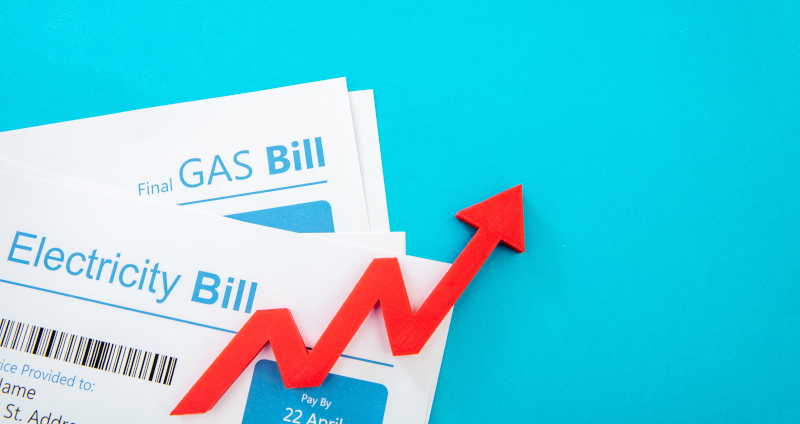
Make the most of the Short-Term Relief from 1 April 2026
Ofgem has confirmed the energy price cap will drop by 7% for a typical dual-fuel household paying by Direct Debit. That means the average annual bill falls to £1,641 from 1 April to 30 June 2026, a saving of around £117 compared to the current £1,758 level (January-March).
This welcome reduction largely comes from government measures in the Autumn Budget: Removing funding for the Energy Company Obligation and cutting 75% of Renewables Obligation costs from bills, which shaves an average £150 off household expenses.
Looking Ahead, Potential Increases from July
Unfortunately, the outlook isn’t so rosy longer-term. Wholesale gas prices have surged due to ongoing tensions in the Middle East, and disruptions in key routes like the Strait of Hormuz. Oil prices have climbed over $100/barrel in recent weeks.
Leading forecaster Cornwall Insight now predicts the July-September cap could rise to around £1,973 (or up to £1,827 in some earlier estimates) – that’s a potential jump of £332 from the April level. British Gas and others have indicated further rises could be “inescapable” if volatility continues. Electricity prices track gas closely because gas-fired plants often set the marginal wholesale rate.
This Makes Solar PV a Stronger Investment for Homeowners
With electricity unit rates currently around 24-28p/kWh and likely heading higher, installing solar panels offers real protection against these swings. A typical 4kW system costs £6,000-£8,000, generating 3,500-4,200 kWh annually depending on your location and roof setup.
You could save £600-£900 a year by using your own generated power, plus £100-£200 from Export payments for any surplus fed back to the grid. Adding battery storage boosts those figures further by letting you use more of your solar during evenings.
Payback periods are improving fast, many UK installations now achieve 6-10 years for panels alone, or 7-12 with batteries, especially as grid prices rise. After that, you’ve got 15-25+ years of near-free electricity (panels typically last 25-30 years), greater energy independence, lower carbon emissions, and often a boost to your property value. In uncertain times like these, solar isn’t just green – it’s smart financial planning.

Key Dates to Note in Your Diary
- 1 April 2026: Price cap reduction starts – enjoy the lower bills!
- 27 May 2026: Ofgem announces the July-September cap level (expect potential increases).
- 1 October 2026: Next quarterly reset (announced late August).
We recommend using this brief dip to review your current tariff, improve home efficiency, explore fixed-rate options if suitable and get personalised solar quotes. Volatility looks set to stay, so protecting your household budget makes more sense than ever.
Craig is a qualified EPC and Retrofit Assessor with epIMS, bringing over two decades of experience in house building, construction, and development. Having worked across all stages of the building process, Craig combines his technical retrofit knowledge with a practical understanding of how properties perform in everyday use. His expertise in retrofit assessment allows him to identify opportunities for improved energy efficiency and sustainability, helping homeowners and landlords future-proof their properties.